
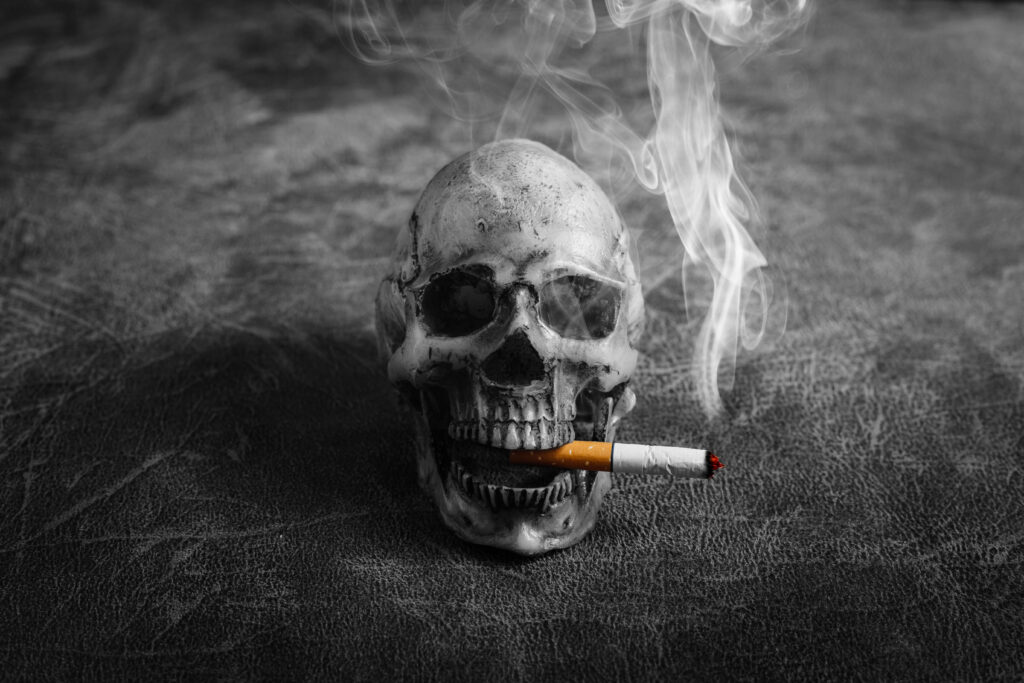
The Reality We All Ignore: Paying Money to Destroy Our Own Bodies
We have all seen this scene in hospitals: a worried family stands outside an ICU room, praying desperately. Inside the room, a patient struggling to breathe whispers to the doctor, “Please save my life. I will pay any amount. Just give me a few more years.” It is a painful moment — a moment where money loses all its value, and health becomes the only currency that matters.
But here’s the strange and heartbreaking irony:
Many people spend their entire lives engaging in cigarette smoking, paying money to buy disease, and when disease comes, they again pay money trying to cure it.
Every cigarette pack is a purchase of risk —
- Risk of cancer
- Risk of lung damage
- Risk of stroke
- Risk of heart attack
- Risk of early death
Yet millions of people around the world spend money daily on something that brings nothing but slow destruction.
Cigarettes do not provide nutrition.
They do not give energy.
They do not cure stress.
They do not improve the body in any way.
They simply deliver harmful chemicals to the lungs, blood, heart, and brain, creating temporary pleasure but long-term suffering. Buying cigarettes is like buying a slow poison and consuming it with your own hands.
Why People Still Smoke? The Psychology Behind It
If everyone knows that cigarette smoking is injurious to health, then why do millions still smoke?
The answers are many:
- Curiosity
- Peer pressure
- Stress
- Addiction
- Show-off culture
- Student environment
- Media influence
Smoking begins as a choice, but very quickly becomes a trap.
A person may start with “just one cigarette,” but the body gets addicted to nicotine faster than people expect. Within weeks or months, the “occasional smoker” becomes a regular smoker, and within a few years, many become chain smokers — people who need cigarettes every hour to feel ‘normal.’
Cigarettes are one of the only consumer products designed to hook the brain so powerfully that quitting becomes extremely difficult.
A Silent Killer That Works Slowly
Cigarettes do not kill immediately.
They kill slowly, quietly, and systematically.
A smoker may feel fine for years, but deep inside, the lungs are weakening, the blood vessels are narrowing, and the heart is working harder. Then suddenly, sometime in their 40s, 50s, or 60s, people start hearing frightening words like:
- “You have lung cancer.”
- “You have chronic lung disease.”
- “Your heart is blocked.”
- “Your oxygen level is low.”
By the time these symptoms appear, the damage is often irreversible.
This is why smoking is one of the most dangerous habits in the world — because it makes you feel normal while destroying you from inside.
A Horrifying Comparison: What If Cigarettes Were Invented Today?
Imagine if cigarettes were invented today and went through a modern safety approval process.
Would they ever be allowed for sale?
No.
Here’s why:
- They contain 7,000+ chemicals.
- At least 70 chemicals cause cancer.
- They cause 8 million deaths every year worldwide.
- They harm even people who do NOT smoke (passive smokers).
If cigarettes were a new product in 2025, they would be instantly banned, just like any other dangerous chemical.
But cigarettes are old — they were created before modern science and before strict laws. That is why they survived, even though they harm more people each year than most diseases.
Why Cigarettes Should Be Completely Banned
Many governments increase the price of cigarettes hoping people will quit. But this is not the real solution.
**Increasing the price doesn’t solve the problem.
People continue smoking even if prices go up.**
Why?
Because nicotine is addictive. When the body becomes dependent, people will pay anything — even expensive prices — to satisfy the craving.
Some governments believe price hikes reduce consumption. But this is not true for many smokers. Instead of quitting, they:
- Switch to cheaper brands
- Buy single cigarettes
- Reduce spending on food or other needs
- Borrow money
- Continue smoking secretly
This means price hikes punish the poor but do not solve the root problem.
The only real solution is complete ban.
You cannot allow a product that:
- Has NO benefits
- Kills millions
- Costs billions in healthcare
- Affects non-smokers
- Creates addiction
- Damages future generations
Cigarettes should be treated like poison — because that is what they are.
Students: The New Target of the Cigarette Industry
One of the saddest realities today is the increase of smoking among students and teenagers.
Most students don’t start smoking because they love the taste.
They start because:
- Their friends do it
- They want to look “cool”
- They see actors doing it
- They want to show maturity
- They feel pressure to fit in
A 16-year-old or 18-year-old takes a cigarette for style, not realizing that style will turn into suffering.
Smokers rarely imagine themselves becoming addicted.
They believe they are in control.
But within weeks, nicotine takes control of them.
Today, many students — even those who were excellent in school — become chain smokers before they reach their early 20s. They spend money meant for education on cigarettes. They damage their lungs even before their careers begin. They struggle with stamina, concentration, and memory because smoking reduces oxygen flow to the brain.
The tragedy is that a moment of show-off can become a lifetime of addiction.
The Hidden Victims: Passive Smokers
Smoking harms not only the smoker but also the people around them.
A person standing nearby — who never smoked a single cigarette — inhales the same poisonous chemicals.
These are called passive smokers or second-hand smokers.
Passive smoking causes:
- Asthma attacks
- Lung infections
- Heart disease
- Lung cancer
- Decreased immunity
- Irritation in children
- Complications in pregnant women
A child sitting near a smoking parent receives the same toxins.
A wife sitting near a smoking husband becomes a victim of passive cancer risk.
A colleague sitting in a smoking area becomes sick even though he never smoked.
This is why cigarettes should not just be discouraged — they should be eliminated.
HOW SMOKING DAMAGES EVERY ORGAN OF THE BODY
The Science of Destruction: What Cigarettes Really Do Inside the Body
People often hear the sentence “Cigarette smoking is injurious to health,” but many do not understand how it harms the body. Cigarettes damage every organ, every cell, every system — from the lungs to the heart, from the brain to the skin.
Smoking is not a lifestyle habit.
It is not a stress reliever.
It is not a fashion.
It is a systematic health destroyer.
To understand how dangerous cigarettes truly are, we must explore what happens inside the body each time a cigarette is lit.
1. The Lungs — The First and Deepest Damage

a) Poison enters the body within seconds
When a person inhales cigarette smoke:
- Tar
- Nicotine
- Carbon monoxide
- Formaldehyde
- Ammonia
- Benzene
- Arsenic
- Polonium 210 (radioactive poison)
…enter the lungs instantly.
Tar sticks to lung tissues like black glue.
Carbon monoxide replaces oxygen in the blood.
Nicotine reaches the brain in 7 seconds — faster than any drug.
👉 Read about lung cancer, risks, and prevention.
b) Destruction of air sacs
The lungs contain millions of tiny air sacs called alveoli. They help exchange oxygen and carbon dioxide. Cigarette chemicals break these sacs over time, leading to:
- Emphysema
- Chronic bronchitis
- COPD (Chronic Obstructive Pulmonary Disease)
These diseases are permanent. Once the lung tissue is damaged, it never grows back.
c) The cough that never leaves
Smokers develop a harsh, painful morning cough because the lungs try desperately to push out tar and toxins. This cough is a sign of internal damage, not normal behavior.
d) Low stamina and breathlessness
Even young smokers experience:
- Low stamina during exercise
- Difficulty climbing stairs
- Breathlessness after light activity
This is because smoke reduces lung capacity. Many students who smoke think they are “fit,” but their lungs are already functioning below normal capacity.
e) Lung cancer — the biggest killer
Smoking causes 90% of lung cancer cases worldwide. Lung cancer is also the deadliest cancer, with very low survival rates. The reason is simple: by the time symptoms appear, the cancer is often in an advanced stage.
A person does not need decades of smoking to get lung cancer. Even smoking for 5–10 years can cause genetic mutations that lead to cancer later in life.
2. The Heart — Smoking Forces It to Work Like a Machine Under Stress
Many smokers think smoking harms only the lungs. In reality, the heart suffers equally.
a) Narrowing of blood vessels
Cigarette chemicals cause blood vessels to tighten and harden. This increases:
- Blood pressure
- Risk of clots
- Risk of stroke
- Risk of heart attack
b) Thickening of blood
Smoking makes the blood thicker and stickier, making it harder to circulate. Thick blood can block arteries, causing:
- Heart failure
- Paralysis
- Sudden cardiac arrest
c) Early heart disease in young people
A 25-year-old smoker has the same heart risk as a 40-year-old non-smoker. This is why many young smokers suddenly collapse during workouts, sports, or even sleep.
d) Reduced oxygen in the body
Carbon monoxide from cigarettes replaces oxygen in the blood. This means:
- The heart pumps harder
- The body receives less oxygen
- Fatigue becomes normal
This also affects brain function, leading to low focus and weak concentration — especially dangerous for students.
3. The Brain — Smoking Affects Memory, Focus & Mood
Many smokers believe cigarettes help them think or relax. In reality, smoking:
- Reduces oxygen to the brain
- Slows neural activity
- Damages brain cells
a) Nicotine addiction rewires the brain
Nicotine creates a false sense of pleasure. The brain becomes dependent and demands more.
This is why smokers become irritated, angry, or restless when they don’t get a cigarette — not because smoking reduces stress, but because the brain is addicted.
b) Memory becomes weaker
Reduced oxygen supply affects:
- Memory
- Concentration
- Problem-solving ability
- Decision-making
This especially harms students.
c) Higher chances of stroke
Smokers are at much higher risk of:
- Brain clots
- Brain bleeds
- Paralysis
- Memory loss
- Long-term disability
4. The Immune System — Smoking Makes You Sick More Often
Every cigarette weakens the immune system.
Smokers get:
- More infections
- Slower healing
- Longer recovery from illness
- Chronic inflammation
This is why smokers often have:
- Frequent colds
- Throat infections
- Coughing
- Allergies
- Weak stamina
During COVID-19, smokers faced more complications because their lung and immune systems were already damaged.
5. The Digestive System — Stomach, Liver & Pancreas Damage
a) Smoking increases stomach acid
This causes:
- Gastritis
- Acidity
- Stomach ulcers
b) Damages the liver
The liver detoxifies harmful chemicals. Smoking overloads it, increasing the risk of liver disease.
c) Pancreatic cancer
Smoking is a major cause of pancreatic cancer — one of the most aggressive and deadly cancers.
6. Reproductive System — Smoking Affects Future Families
For men:
- Reduced sperm count
- Erectile dysfunction
- Infertility
For women:
- Hormone imbalance
- Irregular periods
- Difficulty getting pregnant
- Complications during pregnancy
For unborn babies:
- Low birth weight
- Birth defects
- Premature birth
- Reduced brain development
Smoking affects not just the present but also future generations.
7. Skin, Hair & Appearance — Smoking Ages You Faster
a) Skin damage
Smoking reduces blood flow to the skin, causing:
- Wrinkles
- Dullness
- Uneven skin tone
- Early aging
b) Hair damage
Smokers experience:
- Hair loss
- Premature graying
- Weak hair roots
c) Teeth & mouth damage
Smoking stains teeth and causes:
- Bad breath
- Gum disease
- Mouth cancer
- Tooth loss
Ironically, people who start smoking for “style” eventually lose the very appearance they were trying to enhance.
8. Students: Why Even a Few Cigarettes Damage the Body
Students often think:
- “I only smoke occasionally.”
- “It’s just for fun.”
- “I don’t smoke as much as others.”
But even a few cigarettes:
- Delay lung growth
- Reduce brain oxygen
- Damage heart vessels
- Weaken immunity
- Slow down stamina
Smokers perform poorly in:
- Sports
- Studies
- Concentration
- Memory-based tasks
Many young smokers believe they can quit anytime, but addiction becomes stronger over time. A stylish habit becomes a daily necessity.
9. Students Becoming Chain Smokers — How It Happens
Here is the pattern seen worldwide:
Step 1: Curiosity or show-off
“Let me try one.”
Step 2: Occasional smoking
“Only on weekends or with friends.”
Step 3: Daily smoking
“One cigarette after class or during break.”
Step 4: Cravings
“I need one now.”
Step 5: Full addiction
2–3 cigarettes a day… then 5… then 10…
And suddenly, the student becomes a chain smoker.
This is not theory — this is reality for millions of young people globally.
WHY STUDENTS START SMOKING (PSYCHOLOGY, PEER PRESSURE, SHOW-OFF CULTURE, MEDIA INFLUENCE)
Why Students Begin Smoking: The Silent, Dangerous Journey From “Just One” to Addiction
If adults struggle so much to quit smoking, imagine how vulnerable students are. Teenagers and young adults are at the most influential stage of their lives — emotional, social, and psychological development is still happening. Cigarette companies know this. Influencers know this. Even peers know this.
And this is exactly why students are becoming the fastest-growing group of new smokers worldwide.
But why does a student, who has a bright future and good health, start smoking in the first place?
Here are the real reasons — deep, psychological, and often unnoticed by parents and teachers.
1. Peer Pressure — “Everyone is doing it, so why not me?”
This is the No. 1 reason students start smoking.
Humans are social beings. Young minds especially want to fit in. When friends smoke, the pressure becomes strong, even without words.
Peer pressure comes in many forms:
Direct Pressure
- “Come on, try one. Don’t be scared.”
- “Nothing will happen. We all smoked.”
Indirect Pressure
- When a group smokes and one person is left alone.
- When a student fears being called “childish,” “weak,” or “boring.”
Silent Pressure
No one says anything, but the student feels:
“If I don’t smoke, I won’t look mature like them.”
Peer pressure is powerful because it affects identity. Students don’t just want friends — they want acceptance. Cigarettes become a ticket into the group.
But what starts as a social experiment slowly becomes a personal habit.
2. The “Show-Off” Culture — Smoking as Style, Confidence, or Maturity
One of the saddest truths is that many students start smoking purely to look cool.
They don’t like the smell.
They don’t like the taste.
They don’t enjoy the burning sensation.
But they enjoy the attention.
Students believe smoking makes them look:
- Stylish
- Mature
- Bold
- Confident
- Rebellious
- Different
- “Adult-like”
They take selfies holding a cigarette.
They record videos blowing smoke.
They imitate actors and influencers.
This “coolness” lasts only for the first few weeks.
Later, the same students hide their smoking habits from teachers and parents because they know it is not cool anymore. It becomes a burden, not a style.
**Smoking begins as fashion.
It ends as addiction.**
3. Curiosity & Experimenting — “I just want to try once.”
Curiosity is a natural part of youth. But cigarettes are not like other experiments. Once you try it, nicotine can hook your brain.
A student may think:
- “Let me just see how it feels.”
- “Others are doing it. I just want to experience it once.”
But that “first time” is dangerous.
Nicotine delivers pleasure chemicals to the brain in 7 seconds.
This instant dopamine rush can trick the brain into wanting it again. Curiosity becomes a habit; habit becomes dependency.
Most smokers started with:
“I just wanted to try.”
4. Stress, Depression & Emotional Escape
Students face enormous pressure today:
- Academic expectations
- Future career fears
- Comparison
- Family issues
- Breakups
- Loneliness
- Social anxiety
- Overthinking
Many believe cigarettes reduce stress.
But here is the scientific truth:
**Smoking does not relieve stress.
It actually INCREASES stress.**
Here’s why:
Nicotine creates addiction → addiction creates withdrawal → withdrawal creates stress → smoking temporarily reduces withdrawal → the brain thinks smoking reduces stress.
It’s a trap.
Many students use cigarettes as:
- Emotional escape
- Distraction
- Coping mechanism
But instead of solving emotional problems, smoking creates new ones:
- More anxiety
- Guilt
- Addiction
- Dependency
- Financial pressure
- Weak health
- Poor concentration
A stressed student who smokes becomes even more stressed in the long run.
5. Influence of Movies, Web Series, and Social Media
The media plays a HUGE role in student smoking.
Movies show smoking as:
- Stylish
- Heroic
- Romantic
- Rebellious
- Powerful
A villain smokes to look dangerous.
A hero smokes to look cool.
A couple smokes in romantic scenes.
Hollywood, Bollywood, and worldwide cinemas unintentionally market cigarettes by associating them with freedom, bravery, or masculinity.
Social media influence is even worse.
On platforms like:
- TikTok
- Snapchat
- YouTube
Students see influencers holding cigarettes in:
- Travel videos
- Street photography
- Night-out vlogs
- Aesthetic posts
- Reels
The message is clear:
“Stylish people smoke. Creative people smoke. Free people smoke.”
This subtle brainwashing has a strong effect on teenagers who are already emotionally vulnerable.
6. Family Environment — When Children See Smoking at Home
If parents or older siblings smoke, there is a much higher chance that the child will smoke later.
Why?
Because children copy what they see.
A child who grows up watching smoke-filled rooms or smelling cigarettes daily begins to “normalize” the habit.
Family-based reasons include:
- A parent smokes
- Relatives smoke
- Stress environment at home
- Lack of supervision
- Lack of awareness
Even if parents say, “Smoking is bad,” their actions speak louder than words.
7. The Illusion of Independence — “Nobody can control me.”
Teenagers often want to prove they are independent. They want to show they can make their own decisions.
For some, smoking becomes a way to show:
- Rebellion
- Freedom
- Adulthood
- Control
But the irony is heartbreaking:
**Students smoke to prove they have control.
But smoking takes control AWAY from them.**
Nicotine becomes the controller.
The student becomes the follower.
That illusion of independence becomes a lifelong prison.
8. College Culture & Hostel Life — The Breeding Ground for Smoking
Hostels, dorms, and college campuses often have:
- More freedom
- Less supervision
- More peer influence
- More late-night activities
- High exposure to smokers
This environment makes it easy for students to start smoking.
Many students first smoke:
- During group study nights
- During hostel gossip sessions
- At cafés with smoking zones
- At parties
- After assignments or exams
What starts in college continues for years.
9. Students Becoming Chain Smokers — A Slow & Silent Transition
Most students never plan to become chain smokers.
No young person wakes up saying:
“I want to smoke 10 cigarettes a day.”
Instead, it happens silently:
- First cigarette
- Weekly smoking
- Daily smoking
- Smoking with tea
- Smoking with friends
- Smoking alone
- Craving cigarettes
- Smoking after food
- Smoking late at night
- Smoking every few hours
By the time students realize, they are trapped.
Chain smokers often say:
- “I can’t concentrate without smoking.”
- “I feel irritated when I don’t smoke.”
- “My body needs it.”
This dependency destroys physical health, mental peace, academic performance, and future ambitions.
10. Regret Comes Later — When Damage is Already Done
Students who begin smoking in their teens often face consequences in their 20s and 30s:
- Breathlessness
- Low stamina
- Weak immunity
- Yellow teeth
- Hair fall
- Anxiety
- Infertility
- Poor fitness
- Low memory
- Financial loss
And by the time they want to quit, addiction is powerful.
Countless adults regret starting smoking in youth, saying:
- “I wish I never tried that first cigarette.”
- “I wasted years.”
- “I damaged my health for no reason.”
The tragedy is that students realize the truth only when the damage has already begun.
The Brutal Reality of Passive Smoking
Passive smoking is one of the most underestimated dangers in society. Most people think:
“I don’t smoke, so I am safe.”
But the truth is very different.
People who stand near smokers—family members, friends, classmates, colleagues, even strangers—breathe the same toxic smoke. Their lungs, heart, and body suffer just like a smoker’s, even though they never touched a cigarette.
Let’s continue Section 4 with deeper analysis and extended points.
4.5. Different Types of Passive Smoking
Most people believe there is only one type of secondhand smoke. But health experts classify it into three dangerous categories:
1. Secondhand Smoke (SHS)
This is the smoke released in the air when a smoker exhales or when a cigarette burns.
Anyone near it inhales the same chemicals.
2. Side-Stream Smoke
This comes directly from the burning tip of a cigarette.
It contains higher concentration of toxins than the smoke the smoker inhales.
This smoke is absorbed faster by nearby people, making it more dangerous.
3. Thirdhand Smoke
This is the toxic residue left on:
- Clothes
- Furniture
- Curtains
- Walls
- Hair
- Car seats
- Even a smoker’s hands
A child sitting on a sofa where someone once smoked is unknowingly exposed to cancer-causing chemicals.
4.6. Why Passive Smoking Is More Dangerous Than Active Smoking
Believe it or not, passive smokers sometimes inhale more harmful chemicals than actual smokers.
Why?
Because cigarette filters reduce some toxins for the smoker.
Passive smokers inhale unfiltered smoke directly.
Key points:
- Passive smoke contains 7,000+ chemicals
- Among them, 70+ are known carcinogens (cancer-causing)
- Passive smokers cannot control how much they inhale
- Children, pregnant women, and elderly people absorb toxins faster
This makes passive smoking a silent killer.
4.7. Real-Life Examples of Passive Smoking Damage
Example 1: Children at Home
A father smokes in the living room.
He believes he is safe because:
- He is near a window
- Using a fan
- The kids are in another room
But smoke travels fast.
Children inhale toxins without knowing.
Kids exposed to passive smoking suffer:
- Chronic cough
- Pneumonia
- Asthma attacks
- Slower brain development
- Ear infections
- Poor immunity
Example 2: Students in College
A student stands outside the campus gate with friends who smoke.
He does not smoke.
But every day he inhales toxic fumes.
After months, he develops:
- Breathing issues
- Headaches
- Constant tiredness
- Chest tightness
He thinks it’s normal—but it is actually passive smoking damage.
Example 3: Pregnant Women
A pregnant woman sitting near smokers can have:
- Premature birth
- Low birthweight baby
- Stillbirth risk
- Infant breathing disorders
This shows passive smoking can harm even unborn babies.
4.8. Passive Smoking in Public Places
Even though many countries banned indoor smoking, exposure remains high.
Where passive smoking commonly happens:
- Bus stops
- Coffee shops
- Parks
- Schools and college entrances
- Offices
- Restaurants with smoking areas
- Malls
- Staircases
- Building entrances
- Beaches and public gatherings
One smoker in a crowded area exposes dozens of innocent people.
4.9. Passive Smoking at Workplaces
Many adults suffer because of smoking colleagues.
They inhale smoke:
- During breaks
- Outside the office entrance
- Near parking areas
- In shared smoking zones
This reduces employee health and productivity.
Companies face:
- Increased sick leaves
- Lower work performance
- Higher medical expenses
A single smoker becomes a burden for the entire workplace.
4.10. Health Problems Caused by Passive Smoking (Detailed Breakdown)
Passive smoking affects the entire body.
Heart Problems
- Increased heart attack risk
- Irregular heartbeat
- High blood pressure
- Damaged blood vessels
Lung Problems
- Asthma
- Bronchitis
- Lung infections
- Lung cancer
Brain and Mental Impact
- Migraines
- Difficulty focusing
- Mood changes
- Sleep problems
Eyes and Skin
- Burning sensation
- Redness
- Dryness
- Accelerated aging
Impact on Children
Children are the most vulnerable.
They inhale more smoke because:
- They breathe faster
- Their lungs are smaller
- Their immunity is weak
Children exposed to passive smoking have:
- Lower IQ
- Weak memory
- Behavioral problems
- Speech delays
Impact on Women
Women exposed to passive smoking may face:
- Hormonal imbalance
- More painful periods
- Infertility risk
- Higher cancer risk
4.11. Passive Smoking in Cars — The Most Dangerous Form
Even with windows open, smoking in a car exposes people to 50x more toxins.
Because the space is small, smoke gets trapped.
Children exposed to cigarette smoke in cars are at extreme risk.
Their lungs cannot filter toxins, leading to lifelong problems.
4.12. Passive Smoking and Pets
Even animals suffer.
Dogs exposed to smoke suffer:
- Lung cancer
- Nasal cancer
- Breathing disorders
Cats groom themselves and lick smoke residue from their fur, leading to:
- Mouth cancer
- Digestive issues
This shows passive smoking affects every living being, not just humans.
4.13. Why Many Passive Smokers Stay Silent
Passive smokers do not complain because:
- They don’t want to hurt a friend
- They fear looking rude
- They think the danger is “small”
- They don’t understand the health risks
But their silence puts their life in danger.
4.14. The Economic Impact of Passive Smoking
Passive smoking increases:
- Hospital bills
- Medicine costs
- Lost productivity
- Long-term diseases
- Government healthcare spending
Billions of dollars are wasted globally because of passive smoking.
4.15. Why Governments Must Protect Passive Smokers
The government has a duty to protect people who do not smoke.
Because passive smokers are victims, not contributors.
They did not choose cigarettes—yet they suffer the same consequences.
This is why smoking must be controlled strictly, or even fully banned.
4.16. Why Anti-Smoking Laws Are Not Enough
Despite no-smoking zones, smoking continues:
- Outside schools
- Inside parking garages
- On building steps
- Near bus stations
- In hidden corners of malls
More strict laws are needed to protect passive smokers.
4.17. The Deepest Truth: Passive Smokers Die Too
Every year, nearly 1.2 million people die due to passive smoking.
These people:
- Never bought a cigarette
- Never smoked
- Never chose addiction
They died because someone else decided to smoke near them.
This is the shocking reality of passive smoking.
4.18. Global Statistics of Passive Smoking
According to the World Health Organization (WHO):
- Nearly 1.3 billion people are exposed to secondhand smoke worldwide.
- Children represent almost 40% of passive smokers.
- Women face higher risk in homes where husbands smoke.
- Passive smoking contributes to 1.2 million deaths each year.
These numbers are alarming because these victims did nothing wrong. They are innocent bystanders paying the price for someone else’s addiction.
4.19. Passive Smoking and Children’s Health
Children are the most vulnerable group. Their lungs are smaller, and their immune systems are not fully developed. Exposure leads to:
- Recurrent respiratory infections
- Asthma attacks
- Chronic bronchitis
- Ear infections
- Sudden Infant Death Syndrome (SIDS)
- Impaired cognitive development
Even a few minutes in a smoky environment can increase long-term risk.
Children do not have the choice to leave, making them silent victims.
4.20. Passive Smoking and Pregnancy
Pregnant women exposed to cigarette smoke face serious health risks, including:
- Premature birth
- Low birthweight babies
- Stillbirths
- Infant respiratory problems
- Birth defects
Smoking near pregnant women is not just selfish — it’s life-threatening for the unborn child.
4.21. Passive Smoking in Workplaces and Schools
Passive smoking is a major problem in workplaces and educational institutions. Many employees and students are exposed to smoke near:
- Smoking zones
- Entrances
- Staircases
- Bus stops
Even brief daily exposure increases the risk of:
- Heart disease
- Lung cancer
- Chronic respiratory problems
Studies show employees exposed to passive smoke lose 4–6 days more work per year due to illness compared to non-exposed employees.
4.22. Passive Smoking in Public Places
Even with strict laws in many countries banning indoor smoking:
- Streets, markets, and public transport stations remain high-risk zones
- Students waiting for buses are involuntarily inhaling smoke
- Restaurants and cafés often have smoky outdoor seating
The message is clear: partial bans are not enough. Passive smokers still inhale life-threatening chemicals daily.
4.23. Why Passive Smoking Cannot Be Ignored
The effects of passive smoking are permanent and cumulative. Even occasional exposure:
- Damages lungs
- Raises heart attack risk
- Increases cancer chances
- Reduces life expectancy
Many passive smokers remain unaware until they develop symptoms years later. By then, the damage is irreversible.
4.24. How Passive Smoking Could Be Prevented
The best protection for passive smokers is elimination of smoking in public areas and, ideally, complete banning of cigarettes. Some measures include:
- Strict laws banning smoking in schools, colleges, offices, hospitals, and public transport
- Creating smoke-free zones in neighborhoods and public spaces
- Enforcing fines and penalties for violators
- Awareness campaigns for smokers and the general public
- Support programs for quitting smoking
Partial solutions like “smoking corners” are ineffective. Smoke travels and affects everyone nearby.
4.25. The Moral and Social Responsibility
Smokers must understand that their habit is not private. Every cigarette harms someone else. Passive smoking is a social injustice because:
- Innocent children, women, elderly, and colleagues are exposed
- They cannot remove themselves from the situation
- They bear the cost of someone else’s addiction
Smoking is no longer just a personal choice — it is a public health hazard.
4.26. The Ultimate Solution: Complete Ban of Cigarettes
Partial restrictions are not enough.
Price hikes are ineffective, as addicted smokers still pay.
The only real solution is:
- Total prohibition of cigarette manufacturing and sale
- Strict enforcement of smoke-free environments
- Rehabilitation programs for smokers
This protects both active and passive smokers, prevents new addictions, and saves millions of lives annually.
4.27. Key Takeaways of Passive Smoking
- Passive smoking kills millions each year.
- Children and pregnant women are the most vulnerable.
- Short exposure can have lifelong consequences.
- Workplaces, schools, and public areas are high-risk zones.
- Smoke-free laws must be strict and fully enforced.
- A complete ban on cigarettes is the most effective solution.
Passive smoking is not just a minor inconvenience — it is a silent epidemic that society must urgently address.
THE BENEFITS OF QUITTING SMOKING AND MOBILE ADDICTION RECOVERY
Quitting is hard, but it is the single most powerful decision a person can make. Every cigarette not smoked, every minute away from a mobile phone addiction, is a step toward reclaiming health, focus, and life.
👉 Learn why children get addicted to video games and how to encourage outdoor play.
5.1. Immediate Benefits of Quitting Smoking
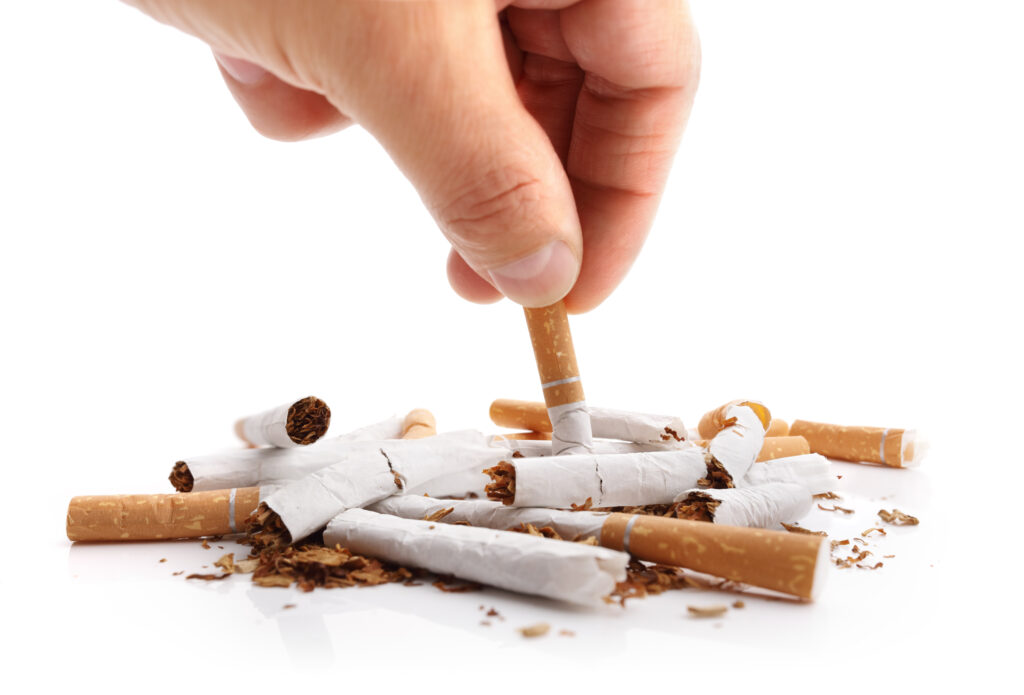
When a student or adult quits smoking, the body begins healing immediately. You don’t have to wait years to see changes.
Within 20 minutes:
- Heart rate and blood pressure start to drop to normal levels
- Body temperature of hands and feet returns to normal
- The risk of sudden heart stress reduces
Within 12 hours:
- Carbon monoxide levels in the blood normalize
- Oxygen levels increase, making breathing easier
- Students feel more energy in their day-to-day activities
Within 24 hours:
- Risk of heart attack starts to decrease
- Lungs begin cleaning mucus and debris from smoke
- Breathing feels lighter, even after just one day
5.2. Benefits Within Weeks
Within 2–3 weeks:
- Circulation improves
- Walking and physical activity becomes easier
- Lung function increases by up to 30%
- Students notice less fatigue during sports or classes
Within 1 month:
- Coughing and shortness of breath reduce
- Taste and smell improve, making food more enjoyable
- Skin starts glowing as blood circulation improves
These short-term improvements boost motivation to stay smoke-free.
5.3. Long-Term Benefits
1. After 1 year:
- Risk of heart disease is cut by 50%
- Lung function continues to improve
- Immune system becomes stronger
- Students perform better academically and physically
2. After 5 years:
- Stroke risk drops to the level of a non-smoker
- Risk of mouth, throat, and esophageal cancer reduces by 50%
- Fertility improves for both men and women
3. After 10 years:
- Risk of lung cancer drops by 50%
- Risk of heart disease is similar to someone who never smoked
- Life expectancy significantly increases
4. After 15 years:
- Risk of coronary heart disease becomes similar to a non-smoker
- The body almost fully recovers from past damage
- Students can enjoy life without respiratory limitations
5.4. Benefits to Passive Smokers When You Quit
When smokers quit, passive smokers also benefit immediately:
- Children and family members breathe cleaner air
- Risk of lung infections, asthma attacks, and allergies decreases
- Pregnant women avoid exposure to toxins
- Students around you focus better without smoke-induced irritation
By quitting, a smoker protects not only themselves but also everyone around them.
5.5. Benefits of Quitting Mobile Addiction
Mobile addiction recovery offers mental and physical restoration:
Mental Benefits:
- Better focus in class or studies
- Improved memory and retention
- Reduced anxiety and stress
- Enhanced emotional control
- Increased productivity
Physical Benefits:
- Improved sleep quality
- Less eye strain and headaches
- Better posture and fewer musculoskeletal problems
- More physical activity
- Enhanced energy levels
When students replace mobile addiction with healthy hobbies, they notice better performance in academics, sports, and social life.
5.6. Psychological Benefits of Quitting Both Addictions
Quitting both smoking and mobile addiction transforms the brain:
- Reduces dependency on harmful substances
- Increases self-confidence
- Enhances problem-solving skills
- Improves mood and mental stability
- Strengthens willpower
Students who overcome these addictions often report feeling in control of their life for the first time.
5.7. Social Benefits
1. Improved Relationships
- Friends and family appreciate the effort
- Social gatherings become healthier
- You become a role model for peers
2. Financial Benefits
- No more spending money on cigarettes or excessive phone apps
- Students can save for education, hobbies, or personal growth
- Reduces financial stress associated with addictions
3. Better Reputation
- Students gain respect from peers, teachers, and family
- Avoid negative labeling associated with smoking and excessive phone use
5.8. Academic Benefits
Students who quit smoking and reduce phone addiction often see dramatic improvements in studies:
- Better concentration in class
- Increased motivation to complete assignments
- Improved memory retention
- Enhanced cognitive abilities for problem-solving and exams
Many students report a 10–20% increase in academic performance within months of quitting.
5.9. Physical Fitness and Sports Benefits
Athletes and physically active students notice immediate benefits:
- Increased lung capacity
- Higher stamina and endurance
- Faster recovery from exercises
- Improved cardiovascular health
- Reduced injuries due to healthier muscles and joints
Quitting smoking ensures that students can excel in sports and physical activities without limitations.
5.10. Strategies to Quit Smoking for Students
Step 1: Make a Clear Decision
Decide today that you want a smoke-free life. Motivation is the first step.
Step 2: Set a Quit Date
Choose a day within the next 1–2 weeks to stop completely.
Step 3: Avoid Triggers
- Stay away from smoking friends temporarily
- Avoid places where smoking is common
- Replace cigarette time with productive habits
Step 4: Manage Cravings
- Chew gum
- Drink water
- Take deep breaths
- Go for a short walk
Step 5: Seek Support
- Parents, teachers, friends
- Professional counselors
- Quit smoking apps or helplines
Step 6: Reward Yourself
Celebrate milestones: 1 day, 1 week, 1 month smoke-free.
This strengthens motivation.
5.11. Strategies to Reduce Mobile Addiction
1. Track Screen Time
Use apps that monitor usage and set daily limits.
2. Create Phone-Free Zones
- Meals
- Study hours
- Sleep time
3. Replace with Healthy Activities
- Reading
- Outdoor games
- Sports
- Drawing, music, or hobbies
4. Turn Off Notifications
Reduce the urge to check social media every few minutes.
5. Social Accountability
- Tell friends and family about your goal
- Have someone check on your progress
6. Avoid Bedtime Phone Use
- Sleeping without phones improves brain function
- Reduces insomnia and tiredness
5.12. Success Stories
Many students have quit smoking and phone addiction and experienced dramatic life changes:
- Ali, 18 years old: Quit smoking after 1 year of chain smoking. Breathing improved, academic performance increased by 15%, and he felt confident socially.
- Sara, 17 years old: Reduced phone usage from 10 hours/day to 2 hours/day. Sleep quality improved, stress reduced, and her grades improved.
- Ahmed, 19 years old: Quit smoking and encouraged friends to follow. Now they form a “healthy group” supporting each other in studies and sports.
These examples show recovery is possible with determination, support, and planning.
5.13. Key Takeaways of Section 5
- Quitting restores health quickly and permanently.
- Passive smokers benefit immediately when someone quits.
- Mobile addiction recovery improves focus, sleep, and mental health.
- Students become better academically, socially, and physically.
- Support from family, peers, and professionals makes quitting easier.
THE FINAL CALL: WHY CIGARETTES MUST BE BANNED AND A SMOKE-FREE GENERATION CREATED
6.1. Why a Complete Cigarette Ban Is the Only Real Solution
Despite price hikes, no-smoking zones, and awareness campaigns, cigarettes continue to destroy millions of lives. Partial measures are not enough.
Key reasons for a complete ban:
1. Smoking kills millions annually
- More than 8 million people die worldwide due to smoking each year.
- Millions more suffer lifelong health issues.
2. Passive smokers are victims too
- Children, pregnant women, elderly, and colleagues suffer even if they never smoked.
- A smoker’s habit directly harms innocent lives.
3. Price increases fail
- Addicted smokers still buy cigarettes.
- Students find cheaper alternatives or illegal sources.
4. Societal and financial burden
- Hospitals spend billions on treating smoking-related diseases.
- Families face emotional and financial strain.
5. No benefit to society
- Cigarettes provide zero nutritional, social, or mental benefit.
- Only illness, addiction, and death result.
Conclusion:
Only a complete ban on cigarette production, distribution, and sale can protect health and save lives.
6.2. Social Responsibility: Everyone Has a Role
It is not just governments that must act. Students, parents, teachers, and communities all have a role to play.
For Students:
- Refuse to smoke, even for peer pressure or style
- Encourage friends to quit
- Educate peers about passive smoking and health risks
- Focus on hobbies, sports, and academics instead
For Parents:
- Set a smoke-free example at home
- Educate children about addiction risks
- Create healthy environments free from cigarettes and excess phone usage
- Support children in quitting mobile addiction and bad habits
For Teachers and Schools:
- Conduct awareness programs on smoking, passive smoking, and mobile addiction
- Monitor students’ well-being
- Organize smoke-free and phone-free zones
- Encourage extracurricular activities to replace harmful habits
For Society and Community Leaders:
- Promote smoke-free public areas
- Organize health campaigns and youth awareness programs
- Advocate for stricter laws and enforcement
6.3. Economic Argument for a Ban
Cigarettes cost billions of dollars every year in:
- Healthcare expenses
- Lost productivity
- Employee absenteeism
- Premature deaths
A cigarette ban reduces:
- Treatment costs for lung cancer, heart disease, and COPD
- Financial strain on families
- Economic burden on society
The money saved could be invested in education, health, sports, and youth development.
6.4. Protecting Future Generations
Students are the future of any country. Their health, education, and abilities determine societal progress.
Why action matters:
- Preventing smoking in students: avoids lifelong addiction
- Preventing passive smoking in children: safeguards their developing lungs
- Reducing mobile addiction: improves focus, mental health, and creativity
Every cigarette not smoked protects a child, a student, a friend, or a colleague.
6.5. How Schools and Communities Can Lead Change
- Smoke-Free Campuses:
No smoking in or near schools, colleges, hostels, and playgrounds. - Public Awareness Campaigns:
Posters, seminars, social media campaigns highlighting risks of smoking and passive smoking. - Counseling Programs:
Help students quit smoking and reduce mobile addiction with professional support. - Peer Education:
Train students to educate their friends about the dangers of smoking and phone addiction. - Healthy Lifestyle Promotion:
Encourage sports, arts, reading, and hobbies to replace harmful habits.
6.6. How Students Can Be Change Makers
Students can play a vital role in creating a smoke-free generation:
- Say no to the first cigarette
- Avoid groups that glorify smoking
- Stand up against smoking in public areas
- Encourage parents and siblings to quit
- Educate younger children about dangers of smoking
Even one student taking a stand can influence dozens of peers.
6.7. The Moral Imperative
Smoking is not just a personal choice; it’s a moral issue. Every cigarette harms someone—often innocent people.
- Passive smokers are forced to inhale smoke.
- Children are exposed to toxins without choice.
- Pregnant women and unborn babies suffer serious consequences.
By banning cigarettes completely, society can protect the vulnerable, save lives, and promote fairness.
6.8. A Call to Governments
Governments must:
- Ban the production, sale, and distribution of cigarettes
- Enforce strict no-smoking zones
- Promote public health campaigns
- Provide resources for quitting and rehabilitation
- Support youth programs to prevent addiction
Without strong government action, the health and future of millions will remain at risk.
6.9. A Call to Students and Youth
Young people have the power to create change:
- Refuse to start smoking
- Avoid glamorizing cigarettes
- Protect friends and family from passive smoking
- Focus on education, creativity, and personal growth
- Spread awareness through social media, peer groups, and campaigns
Your choices today determine your health, freedom, and future success.
6.10. Closing Message: Building a Smoke-Free, Healthy Generation
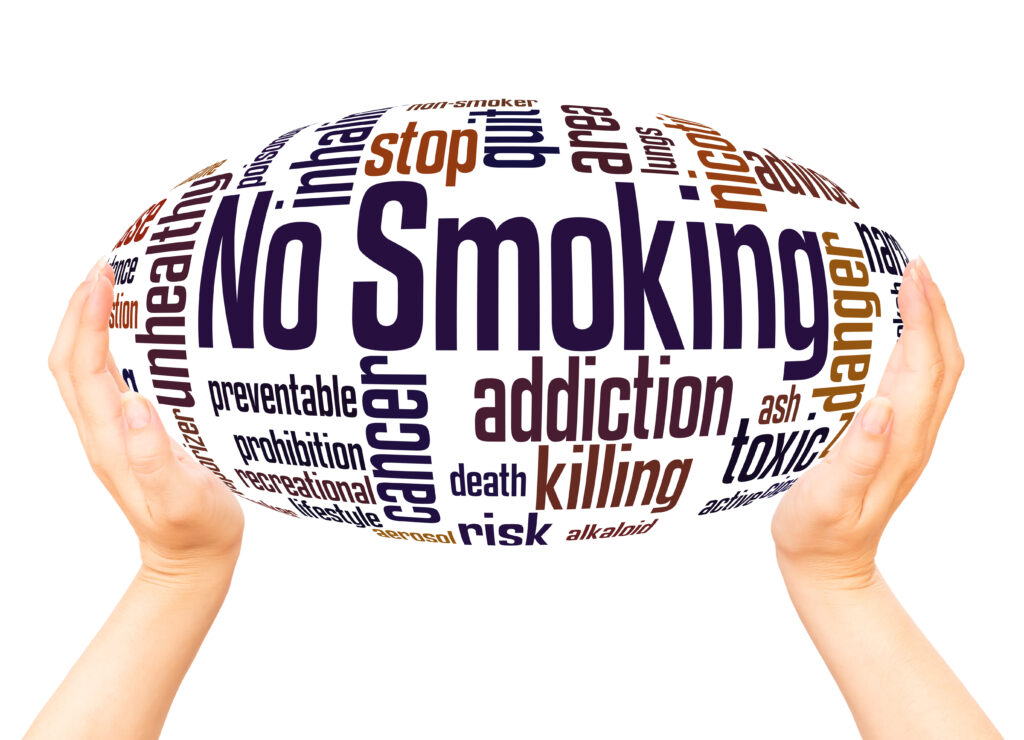
Imagine a world where:
- Students excel without nicotine controlling their lives
- Children grow up without inhaling secondhand smoke
- Communities are healthier, productive, and happier
- Mobile usage is balanced and purposeful
- Future generations are free from addiction
This world is possible if society acts decisively:
Ban cigarettes, educate students, protect passive smokers, and promote healthy lifestyles.
Remember: Every cigarette not smoked, every minute away from mobile addiction, every student educated about these dangers, is a victory for life, health, and the future.
6.11. Final Key Takeaways
- Cigarette smoking kills millions, directly and indirectly.
- Passive smoking is a silent killer affecting innocent people.
- Students are at high risk due to peer pressure, curiosity, and show-off culture.
- Price hikes alone cannot stop smoking; only a complete ban works.
- Quitting smoking restores health quickly and protects others.
- Mobile addiction worsens the problem, affecting mental health and focus.
- Students, parents, schools, and governments must work together.
- Creating a smoke-free generation is possible with awareness, discipline, and strong laws.
Frequently Asked Questions (FAQs)
1. Why is cigarette smoking injurious to health?
Cigarette smoking harms nearly every organ in the body. It damages the lungs, weakens the heart, increases cancer risk, and reduces overall immunity.
2. What chemicals in cigarettes make them dangerous?
Cigarettes contain over 7,000 harmful chemicals, including nicotine, tar, carbon monoxide, benzene, and formaldehyde — all linked to severe health problems.
3. Why do people still smoke even knowing it causes disease?
Due to nicotine addiction, stress relief, peer pressure, social influence, and sometimes lack of awareness or belief that “it won’t happen to me.”
4. How does smoking affect the lungs?
Smoking damages lung tissues, reduces oxygen flow, causes chronic cough, leads to COPD, and greatly increases the risk of lung cancer.
5. Is passive smoking (secondhand smoke) harmful?
Yes. People who don’t smoke but breathe in smoke are exposed to the same toxic chemicals and face higher risks of asthma, lung infections, and heart disease.
6. Why do people pay money to buy cigarettes if they know it harms them?
Nicotine creates strong dependence, making it hard to quit. Many smokers continue buying cigarettes because addiction takes over logic and health awareness.
7. Can smoking really cause cancer?
Absolutely. Smoking is the leading cause of lung cancer and also increases the risk of cancer in the mouth, throat, liver, stomach, pancreas, and more.
8. Do teenagers start smoking just for style or to show off?
Yes, many teenagers try smoking due to peer pressure, wanting to look “cool,” or curiosity — which often leads to long-term addiction.
9. Is increasing cigarette prices effective in reducing smoking?
Higher prices may reduce consumption, but many argue that a complete ban or stronger laws would be more effective in protecting public health.
10. How can someone quit smoking successfully?
Methods include nicotine patches, counseling, support groups, meditation, replacement habits, and avoiding triggers. Professional medical help increases success rates.
🌟 Best wishes from 🖊️ Syed Khaleelulla — Understand the Hidden Dangers of Smoking and Save Lives — Students, Parents & Health-Conscious Readers Must Read